
Understanding the Mind–Body Connection
Mindfulness practices are increasingly used to help regulate the nervous system, supporting greater calm, emotional balance and resilience.

Category
Date
Read time
In recent years, awareness of the connection between the mind and the nervous system has grown significantly. Many people are now recognising that stress, anxiety and burnout are not just psychological experiences but also physical responses within the body. Mindfulness practices are increasingly used to help regulate the nervous system, supporting greater calm, emotional balance and resilience. At the British Mindfulness Academy, we often explore how mindfulness can help people better understand and respond to their body’s stress signals.
How the Nervous System Responds to Stress
%20(1).png)
The nervous system constantly monitors our environment for potential threats. When stress is detected, the body activates the fight-or-flight response. This response can be helpful in genuinely dangerous situations, but in modern life it is often triggered by everyday pressures such as work demands, deadlines and constant digital communication. Common signs of nervous system activation include:
- Rapid heartbeat
- Muscle tension
- Racing thoughts
- Difficulty concentrating
- Feeling overwhelmed
If the nervous system remains activated for long periods, it can contribute to chronic stress and burnout.
How Mindfulness Supports Nervous System Regulation
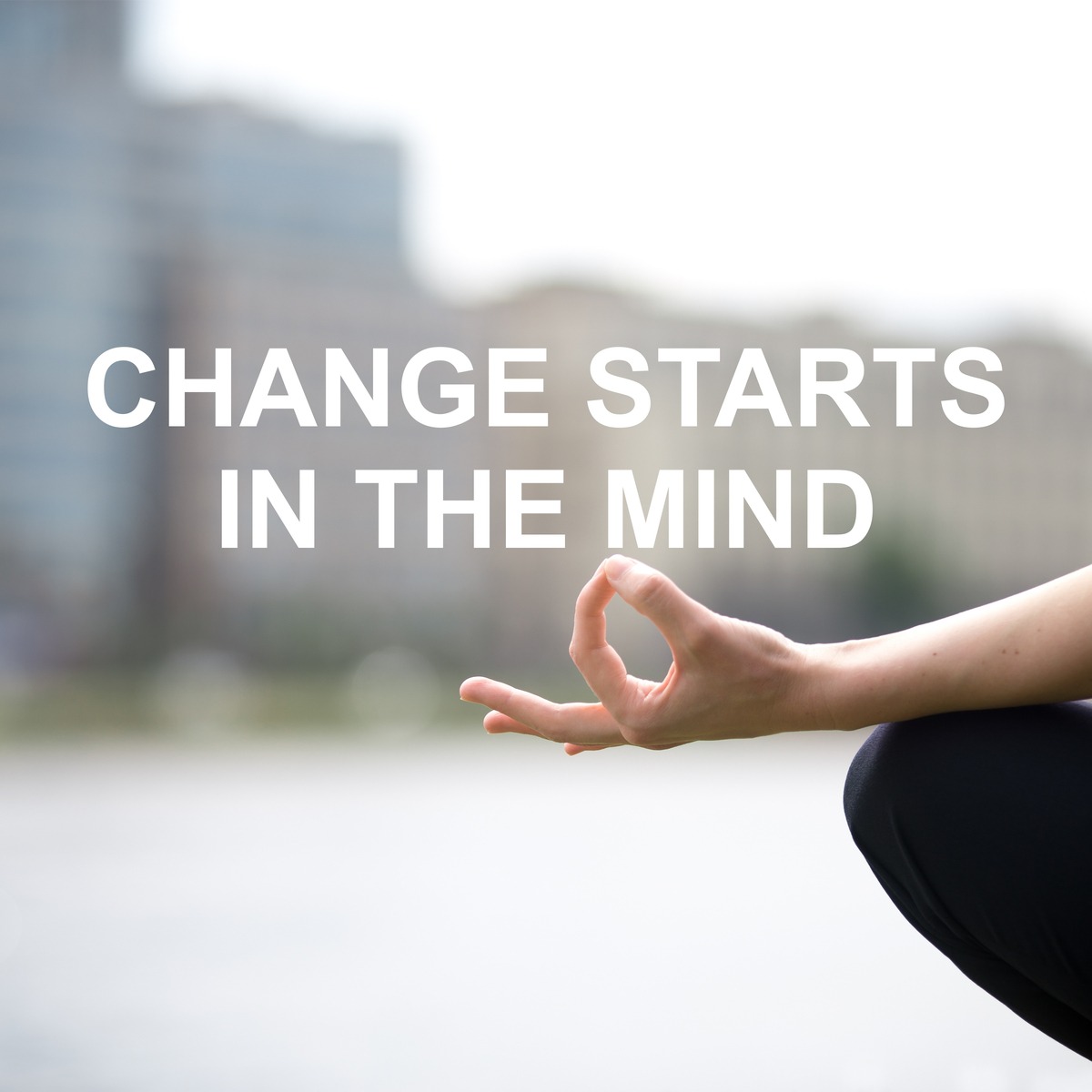
Mindfulness helps the body move out of a stress response and into a calmer state. By paying attention to breathing, body sensations and thoughts with gentle awareness, mindfulness activates the parasympathetic nervous system, which promotes relaxation and recovery. Regular mindfulness practice can help:
- Reduce stress levels
- Improve emotional regulation
- Increase resilience to pressure
- Improve sleep quality
- Enhance overall wellbeing
Mindfulness and Breath Awareness
One of the most effective ways to calm the nervous system is through mindful breathing. The breath is closely connected to the body’s stress response. Slow, steady breathing signals safety to the nervous system and encourages relaxation. A simple breathing practice involves:
- Sitting comfortably
- Taking slow breaths through the nose
- Noticing the sensation of breathing
- Allowing the body to relax with each exhale
Even a few minutes can shift the body into a calmer state.
Body Awareness and Stress
Mindfulness also encourages awareness of physical sensations in the body. Stress often manifests as tension in areas such as:
- The shoulders
- The jaw
- The stomach
- The neck
By noticing these sensations with curiosity rather than judgement, we can begin to release physical tension. Body scan meditation is commonly used in mindfulness programmes to develop this awareness.
Everyday Practices for Nervous System Balance
Here are some simple mindfulness techniques that support nervous system regulation.
The Grounding Practice
Pause and bring attention to the sensations of your feet on the ground.
Notice how the body feels in contact with the floor or chair.
This practice helps bring attention back to the present moment.
The Three-Breath Reset
Take three slow, conscious breaths.
With each breath, allow the body to soften slightly.
This brief pause can interrupt the stress response.
%20(2).png)
Mindful Pauses During the Day
Building small pauses into daily routines can help prevent stress from accumulating. These might include:
- A short breathing practice before meetings
- A mindful walk during lunch
- A moment of stillness before starting work
The Value of Structured Mindfulness Training
While simple exercises can be helpful, structured mindfulness programmes offer deeper guidance and support. Mindfulness training often explores:
- Meditation practices
- Stress management techniques
- Emotional awareness
- Compassion practices
- Mindful communication
At the British Mindfulness Academy, these skills are taught in ways that help people integrate mindfulness into both personal and professional life. Understanding how the nervous system responds to stress is an important step towards improving wellbeing. Mindfulness offers practical tools that help regulate the body’s stress response and support emotional balance. With regular practice, even small moments of awareness can create lasting changes in how we experience stress and navigate daily life.
Suggested Course
6 Weeks · Self-Paced
6-Week Beyond Mindfulness Course
This 6-week online course is for those who feel called to go deeper, beyond stress reduction, beyond the surface of modern mindfulness. Whether you are a teacher, therapist, coach, lifelong practitioner or someone who would like to live at higher levels of consciousness this course offers a sacred space to explore who you are, and who you are not.
Contact us today to learn more about our online mindfulness courses. Email us at info@britishmindfulnessacademy.co.uk or call on +442035826529 to learn more.